Why do two pages target the same topic, yet only one ranks, gets clicks, and converts? In 2026, on-page SEO often explains the gap.
On-page SEO is the work you do on each page to help people and search engines understand it fast. That means better copy, clearer header tags, stronger internal links, useful schema, and a smoother user experience. Google's March 2026 changes also pushed for high-quality content even harder, so thin pages and sloppy AI-written copy lost ground while helpful, experience-backed pages gained.
What on-page SEO means in 2026
On-page SEO covers the parts of a page you control directly. On-page SEO includes title tags, H1, subheads, meta descriptions, URL structure, body copy, images, image alt text, internal links, schema markup, and trust signals like author details or source citations.
It's different from technical SEO, which handles site-wide foundations such as crawling, indexing, server setup, and architecture. It's also different from off-page SEO, which includes backlinks, reviews, and brand mentions from other websites.
Still, the edges overlap. If a page loads slowly, jumps around on mobile devices lacking mobile-friendliness, or feels hard to use, that weakens the page itself. So while some fixes live in hosting or code, they still affect on-page results.
That matters more now because Google keeps re-checking page quality, which influences rankings in SERPs and organic traffic. A recent March 2026 core update analysis points to stronger focus on original, trustworthy content and weaker tolerance for scaled, low-value pages. In plain English, stuffing a phrase into a few headings won't carry a page anymore.
Think of a page like a storefront. The title gets people to the door. The layout helps them look around. The copy answers their questions. If any part feels off, they leave.
Good on-page SEO helps a reader and a search engine reach the same conclusion: this page solves the problem.
How to improve content for search intent, depth, and AI search
Start with search intent. Before writing or editing, conduct keyword research to understand what the searcher wants right now. Are they trying to learn, compare, buy, book, or fix something fast?
A query like "best payroll software for restaurants" needs comparisons, features, pros and cons, and maybe pricing context. A query like "how to reset a router" needs steps near the top. Match the format before you expand the content.

Put the main answer early. Use one clear H1 heading. Then build supporting sections that complete the task. For example, add examples, comparisons, FAQs, objections, and next steps if they fit the query.
Next, build topical depth without repeating the same phrase over and over. Semantic keywords matter more than keyword stuffing. Use related terms naturally, answer follow-up questions, and cover the topic from a few useful angles. That helps search engines understand context, and it helps people stay on the page.
High-quality content also needs proof to demonstrate E-E-A-T. Add first-hand details, examples from your own work, short author bios, and credible sources where the topic calls for them. Google's people-first direction, outlined in these people-first SEO tips, lines up with what users already want: content written by someone who understands the subject.
For AI-influenced search experiences, clear structure matters even more for featured snippets. Short definitions, descriptive subheads, concise summaries, and well-placed tables make a page easier to interpret for search engines. In other words, don't just write more. Write cleaner.
How to audit pages and fix the biggest weak spots
Not every page deserves the same effort when auditing on-page SEO. Start with pages that already get impressions, sit on page one or two, or drive leads and sales. Small improvements there often move faster than a full rewrite on a dead page.
Check each page in three buckets: relevance, usability, and discoverability. Relevance means the page matches intent, a core part of on-page SEO. Usability means it's fast, readable, and easy to use on mobile. Discoverability means search engines can understand it and other pages on your site support it.
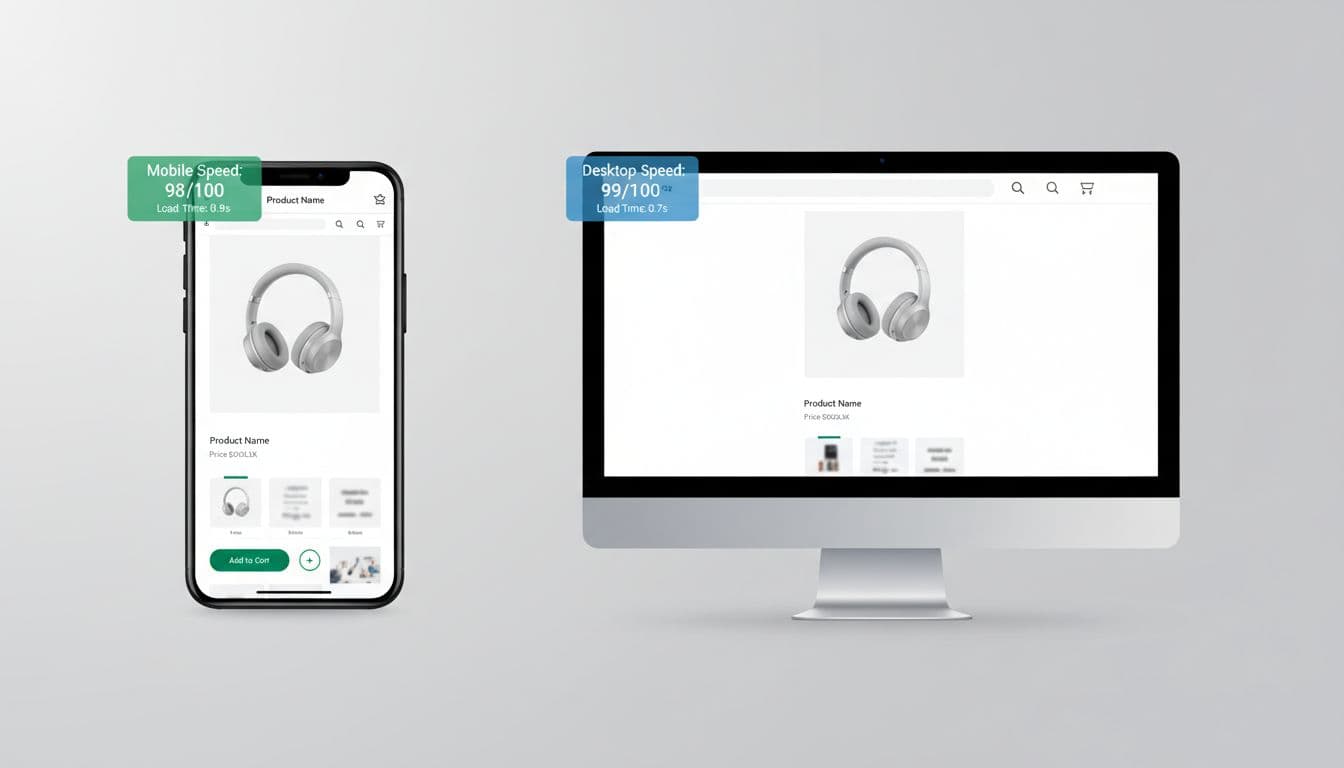
Here's a quick way to prioritize fixes:
| Problem | What it hurts | First fix |
|---|---|---|
| Title tags or header tags miss intent | Click-through rate, relevance | Rewrite for the real query |
| Duplicate content | Relevance, rankings | Rewrite unique or consolidate |
| Thin or vague sections | Topical depth, trust | Add examples, proof, FAQs |
| Slow LCP or weak INP | UX, rankings, conversions, bounce rate | Compress media, trim scripts |
| Orphan page or weak internal links | Discovery, authority flow | Add contextual links from related pages |
| Missing schema where it fits | Search understanding | Add Article, FAQ, Product, or Breadcrumb markup |
Core Web Vitals deserve attention here. In 2026, LCP, CLS, and INP shape page experience in a more practical way than old page speed scores did. If you need a refresher on how INP changed the picture, this Core Web Vitals 2026 overview explains why many pages that once looked fine now feel sluggish in real use.
Also, don't overlook internal linking. A strong page should point to related guides, services, or category pages with natural anchor text. That helps users move deeper into the site, and it helps search engines understand page relationships. Your full linking strategy should balance internal links with relevant external links to boost authority.
Schema markup is another smart win. It won't rescue weak content, but schema markup can help search engines read the page more accurately.
Schema helps explain a page. It does not make a weak page strong.
If you run a quick on-page SEO audit this week, fix intent first, then UX, then internal links and markup. That order usually gets the best return on click-through rate and overall performance.
Final thoughts
On-page SEO in 2026 is less about tricks and more about fit. When a page matches search intent, shows real experience, loads smoothly, and connects to the rest of your site, it becomes easier for search engines to rank and easier to trust. Start with your most important pages, master on-page SEO one solid improvement at a time, and let helpfulness guide every edit to drive organic traffic.