
A page that ranks but never brings in calls is just expensive wallpaper. For service area companies, that problem shows up fast, especially when we cover several towns, hide our street address, or rely on city pages that all sound the same.
Service area business SEO in 2026 is less about stuffing local names into every paragraph and more about proving we are real, useful, and worth choosing. That means cleaner business data, stronger local proof, and pages that answer the questions people actually ask.
If we want better visibility this year, we need to focus on the parts that Google and customers both trust. Let's start with what changed.
What changed for service area SEO in 2026
The basics still matter. We still need a solid website, a complete business profile, and consistent contact details across the web. What changed is the amount of proof search engines want before they treat us like a serious local option.
AI search has made thin pages easier to ignore. People ask longer questions now, and search systems look for pages that sound specific, current, and tied to a real business. A generic "we serve all surrounding cities" page does not carry much weight anymore.
Trust has also moved closer to the front. Reviews, fresh photos, service details, and local references matter more because they help both search engines and customers decide whether we are legit. That is especially true for home services, where the buyer wants fast confidence. A plumber, roofer, or HVAC company can win or lose the lead before the first call.
Here's a simple way to think about it.
| Timeless local SEO basics | What matters even more in 2026 |
|---|---|
| Accurate business name, phone, and website | Real proof that the business is active and local |
| Clear service descriptions | Service pages that answer real customer questions |
| Good reviews | Fresh reviews with specific job details |
| Local backlinks and mentions | Stronger trust signals across profiles, pages, and citations |
| Helpful location pages | Pages that avoid doorway-style duplication |
The takeaway is simple. We still need the fundamentals, but we also need more substance around them. Search is less forgiving of empty pages now.

Build the Google Business Profile we can stand behind
For a service area business, the Google Business Profile is still one of the first places to fix. If we get this wrong, the rest of the work starts on shaky ground. Google is clear about how a business should be represented, and the current rules are in Google's business representation guidelines.
If we do not meet customers at our address, we should hide it in the profile and define the service area instead. That part is fine. The problem starts when the profile tries to pretend we are something we are not. A P.O. box, a mailbox store, or a fake office address will not help us. It usually creates more risk than visibility.
The profile should match the business we actually run. That means the right primary category, honest service areas, real hours, and service descriptions that fit what we sell. A lawn care company should not look like an electrician. A water heater repair business should not look like a general contractor with no focus.
We also need current photos and simple proof that the business is alive. Trucks, tools, team shots, project photos, and before-and-after work all help. For many local companies, reviews and business profile activity matter just as much as the website because they are the first trust check.
If we want a current look at profile tools, reviews, posts, and insights, this 2026 Google Business Profile feature guide is a useful refresher.
A profile that looks complete tells a better story. It says we are open, active, and ready to serve the area we claim.
Service pages that work without doorway pages
This is where a lot of local companies get stuck. They want to rank in several cities, so they build several pages with the same copy and swap out the city name. That used to pass as local optimization. In 2026, it looks thin.
For service area business SEO, a better page answers one job, one need, and one kind of customer. A plumber might need separate pages for drain cleaning, water heater repair, and emergency plumbing. An HVAC company might split cooling repair, furnace service, and indoor air quality. A roofer may need repair, replacement, storm damage, and inspection pages. The page should sound like it was written for the work, not for the map.
A useful test is simple. If we can replace the city name and the page still reads the same, it is too weak.
| Strong service page | Doorway-style page |
|---|---|
| Focuses on one real service | Puts the same service on many city pages |
| Includes local examples or job types | Uses generic text with swapped place names |
| Answers pricing, timing, and process questions | Repeats broad sales copy |
| Helps the visitor understand next steps | Exists mainly to catch search terms |
| Feels useful on its own | Feels like a copy-paste template |
If a page would still work after we swap the city name, we probably do not need another version of it.
That does not mean we never mention cities. We do, but we do it naturally. We can talk about travel times, neighborhood conditions, common home styles, weather issues, or local permit questions when they truly matter. A Cincinnati plumbing page can mention older pipe systems in certain neighborhoods. An HVAC page can discuss summer load in hot, humid areas. That is useful. City-name stuffing is not.
We should also give each page a job inside the site. Support pages can link to the main service page, related FAQs, and real project examples. That keeps the site organized and helps search engines understand what each page is for.
For home service businesses, one strong page beats five weak ones. Every time.
Local proof beats generic copy
Search engines do not buy from us. People do. That means our pages need proof that feels real to both.
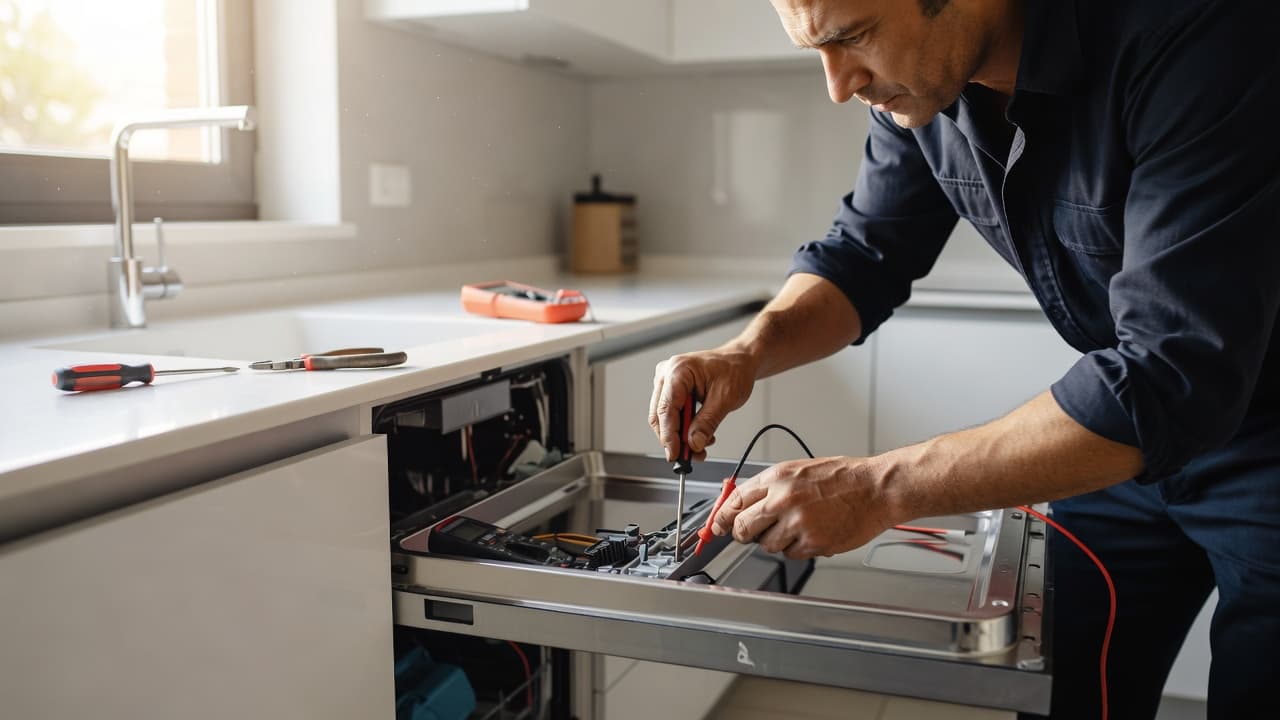
Local proof starts with reviews, but it does not stop there. We need job photos, team photos, service notes, and customer language that sounds like actual work. A review that says, "They fixed our furnace the same day in Florence" helps far more than a five-star rating with no details. It is specific. It also helps us reinforce the area we serve without sounding forced.
Before-and-after photos matter too. A roof repair, trenchless sewer job, furnace replacement, or pest control treatment can all be shown in a simple, honest way. These images do not need fancy production. They need context. A short caption about the job, the neighborhood, or the problem solved gives the page more weight.
We should also keep the review habit active. Ask after the job, reply to the review, and mention the service naturally in the response. Short, real replies work better than copy-paste thank-yous. Customers notice the difference.
The same idea applies to business profile activity. Posts, photos, Q&A responses, and service updates all tell Google that the company is current. They also give customers more reasons to call. A stale profile makes the business feel inactive, even when the trucks are busy every day.
For local companies that hide an address, proof matters even more. If customers cannot see a storefront, our content has to do that work instead. Strong photos, real reviews, and clear service detail fill the gap.
A simple rule helps here. Every important page should answer this question: why should someone in this service area trust us over the next result?
Multiple cities need one real strategy, not twenty copied pages
Multi-city SEO gets messy when we try to force every town into the same format. A better plan is to map the business the way it actually works. Which cities do we truly serve? Which areas bring the most jobs? Which services are strongest in each market?
If we cover a wide region, we do not need a page for every dot on the map. We need pages that reflect real demand and real service patterns. A roofer serving Northern Kentucky and Greater Cincinnati might have one main service page, a small group of location pages for major service hubs, and supporting content about storm repairs, insurance claims, or seasonal maintenance. That is practical. It also feels much more human than a pile of thin city pages.
For businesses that hide their address, the goal is still clarity. We can say where we work without pretending we have offices in every city. A plumbing company may serve Covington, Florence, Independence, and nearby communities from one base. That is normal. What is not normal is creating fake location pages for each one and calling it local strategy.
We should also think about the customer journey. A homeowner does not search because they want a city page. They search because a pipe burst, the AC stopped, or the roof leaked. The page that wins usually speaks to that problem first, then brings in the location second.
A few practical decisions help here:
- Use real cities and neighborhoods, not endless ZIP-code padding.
- Build pages only where the service difference is real.
- Keep the wording unique when a location page is necessary.
- Add local examples, photos, and FAQs that fit the area.
- Avoid making the site look bigger than the business is.
The best multi-city sites feel anchored. They do not look sprayed across a map. They look like one company with a clear footprint.

What to measure after the clicks arrive
Rankings still matter, but they do not tell the full story. A service area business can rise in search and still miss the lead if the page is weak, the profile is incomplete, or the call path is awkward.
We should track the numbers that connect to real work. Calls from the profile, form fills, quote requests, booked appointments, and review growth matter more than a handful of keyword positions. If we serve multiple cities, we should also watch which areas drive the best jobs. A city that sends traffic but no leads is not the same as a city that sends a steady flow of calls.
Website freshness matters here too. Updating service pages, adding new FAQs, and tightening internal links often helps more than publishing a stack of thin new posts. Search systems like current content because current content usually means active business. A page about furnace repair that still looks untouched from three winters ago does not send a strong signal.
We should also keep an eye on structured data and page clarity. Search tools need to understand what we do, where we do it, and how customers contact us. Clear service headings, accurate contact details, and well-labeled pages help with that. The same goes for local schema when it is set up properly. It is not magic. It is clean signaling.
One more thing matters in 2026, and it is easy to miss. AI search tools often summarize businesses from whatever they can trust most quickly. That means our profile, reviews, service pages, and local mentions need to agree. If they do not, the search systems hesitate. Customers do too.
We do not need to chase every new tactic. We need to keep the business easy to understand.
Conclusion
Service area business SEO in 2026 rewards the companies that look real, sound local, and stay consistent. The address can stay hidden, but the proof should not. We need an honest profile, service pages with substance, and local details that match the work we actually do.
That is the bigger lesson. Search is still about helping people choose the right company, not rewarding the loudest one. When our pages answer real questions and our business data stays clean, we give both Google and customers a reason to trust us.
For local companies, that is the whole job. Be clear, be specific, and make every page earn its place.